The Art of the Tandoori Mixed Grill: Why Clay Ovens Make Better Barbecue
@gettandoorimixedgrillindex
October 27, 2026 · 7 min read
There is a moment, early in the meal, when the tandoori mixed grill arrives at the table. The platter is metal, maybe a little dented from years of service. Steam rises from the charred edges of chicken tikka, from the blistered surface of seekh kebabs, from the thin, caramelised fat on a lamb chop. The smell hits you before the waiter has finished placing it down: smoked paprika, ginger, garlic, and the unmistakable scent of charcoal that has been burning for hours inside a clay oven.
I have eaten a lot of grilled meat in my time. I have stood over backyard kettles, flipped steaks on gas grills, and watched pitmasters in Texas tend to offset smokers for twelve hours at a stretch. But the tandoori mixed grill is something else. It is barbecue, yes, but barbecue that follows a different logic. The heat is vertical, not horizontal. The fuel is charcoal and wood, but the flavour comes from the clay itself, from the way the walls of the oven radiate heat back onto the meat. And the marinade is not a dry rub or a mop sauce. It is yogurt, citrus, and a blend of spices that can include anything from cumin to dried pomegranate seeds.
Most people outside of South Asia associate tandoori cooking with chicken tikka, and for good reason. That bright red exterior, the char that stays crispy even as the inside stays moist, is a kind of culinary magic. But a proper tandoori mixed grill is a broader canvas. It is a test of the kitchen's skill, because different proteins cook differently in the same oven. Chicken breast dries out faster than thigh. Lamb needs more time than fish. And the seekh kebab, a minced meat sausage packed onto a skewer, can fall apart if the fat ratio is off or the mince is too loose.
Connect with us on LinkedIn.
What Goes Into a Tandoori Mixed Grill
A good platter will usually include two or three types of meat, each prepared with a slightly different marinade. The chicken tikka is often the centrepiece, marinated in yogurt, ginger, garlic, and a pinch of red chilli powder for colour. The lamb chops, sometimes called paya chops, are rubbed with a dry masala of coriander seed, black pepper, and a little mustard oil. The seekh kebab is seasoned with chopped green chilli, mint, and a touch of raw papaya paste, which acts as a natural tenderiser.
There is also, if you are lucky, a piece of masala fish. In Birmingham, where the South Asian community has deep roots, you might find kingfish or sea bass, marinated in turmeric, cumin, and a splash of vinegar, then cooked so quickly that the flesh stays flaky. The fish is the hardest thing to get right in a tandoori mixed grill. It has no connective tissue to protect it from the heat. One minute too long and it turns into dry, white flakes. But when it is done well, it is the best thing on the plate.
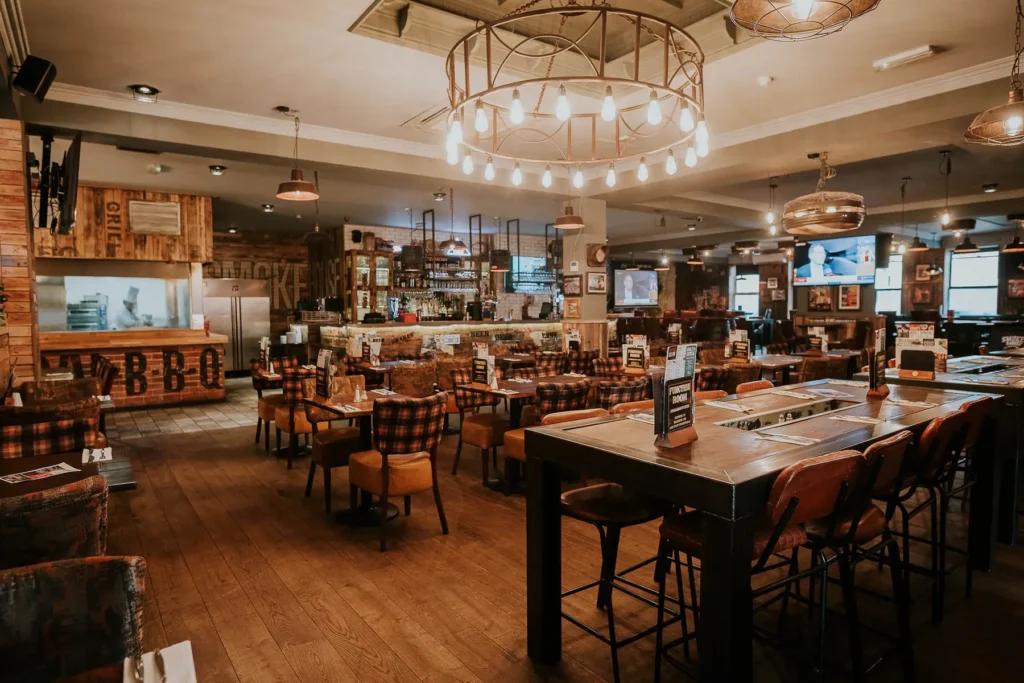
The Oven Makes the Difference
The tandoor itself is a clay cylinder, buried up to its neck in the ground or set into a metal frame. The fire burns at the bottom, and the skewers are lowered vertically into the heat. This is the opposite of a grill, where the meat sits on a grate above the coals. In a tandoor, the meat is surrounded by heat from all sides, and the juices drip down onto the charcoal, creating steam that keeps the meat from drying out.
The temperature inside a tandoor can reach 500 degrees Celsius, sometimes higher. That is twice as hot as a typical home oven. At that heat, the outside of the meat chars in seconds, sealing in the moisture. The inside cooks more slowly, through conduction and the steam that rises from the dripping fat. This is why a well-made tandoori mixed grill has that distinctive contrast: a crust that is almost black in places, and a centre that is still juicy.
The clay also absorbs and radiates heat differently than metal. It holds temperature longer and releases it more evenly. A tandoor that has been fired for an hour has a kind of thermal momentum. You can open the door, load it with skewers, close it, and the temperature barely drops. That stability is crucial for a mixed grill, where you are cooking multiple items at once. You need to know that the chicken will cook at the same rate whether it goes in first or last.
Why It Works So Well in a Pub Setting
There is a growing number of places in the UK that combine the warmth of a tandoori kitchen with the casual, social atmosphere of a pub. It makes sense. A tandoori mixed grill is shareable food. It comes on a big platter, it is eaten with hands, and it pairs naturally with a cold beer. The spices cut through the carbonation. The charred meat stands up to hoppy IPAs and dark stouts alike.

In Birmingham, a city with a strong tradition of both curry houses and sports pubs, this combination feels natural. You can watch a football match on a big screen, sip a pint, and share a platter of tandoori mixed grill with friends. The food is fast, because the tandoor cooks quickly. It is not a slow-braised curry that needs hours on the stove. It is fire, meat, and spice, done in minutes.
That speed is one reason the tandoori mixed grill has become a staple of the Indo-British dining scene. It fits the rhythm of a busy evening. You order it as a starter for the table, or as a main course with bread and salad. It works for a quick lunch or a long dinner. And because the ingredients are simple, the quality depends almost entirely on the cook's skill. There is no sauce to hide behind. The meat, the marinade, and the fire speak for themselves.
How to Judge a Good One
If you are ordering a tandoori mixed grill, there are a few things to look for. First, the chicken tikka should have a slight char, but not be burnt all over. The colour should be uneven, with patches of red and black. If it is uniformly bright red, it has probably been dyed, not marinated. Second, the seekh kebab should be soft inside. A good kebab will crumble when you bite it, not bounce back like a sausage. Third, the lamb chop should have a little chew. If it falls off the bone, it has been overcooked or braised, not grilled.
The bread that comes with it matters too. A tandoori mixed grill is often served with naan or roti, hot from the same oven. The bread should be blistered, with pockets of air, and soft enough to tear. Some places serve it with a side of mint chutney and a tart, tamarind-based sauce. The chutney should be bright and herby, not too thick. The tamarind sauce should be sweet and sour, with a hint of chilli.
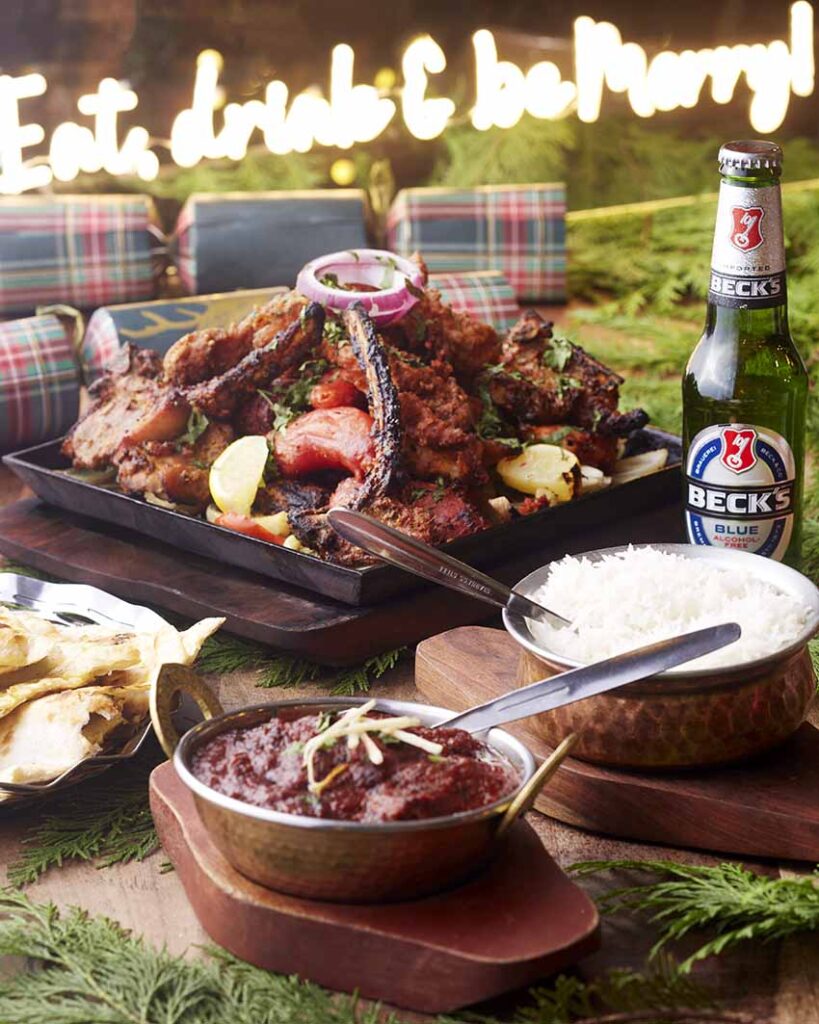
One thing I have learned over the years is that the best tandoori mixed grills are not always in the fanciest restaurants. They are in the places where the tandoor has been running for years, where the clay is seasoned with decades of smoke, and where the cook knows exactly when to pull each skewer. That kind of knowledge comes from repetition, not from a recipe book.
For anyone in the Birmingham area, there is a place that understands this balance well. Smokey Barrels, at 1741 Coventry Rd, Birmingham B26 1DS, UK, runs a tandoor kitchen alongside a sports bar, serving mixed grills, curries, and pub classics. The kitchen is built around the clay tandoor, and the menu reflects a real understanding of how fire, spice, and timing work together. You can call them at +44 121 764 5519. It is the kind of place where the tandoori mixed grill is not an afterthought, but the reason the restaurant exists.